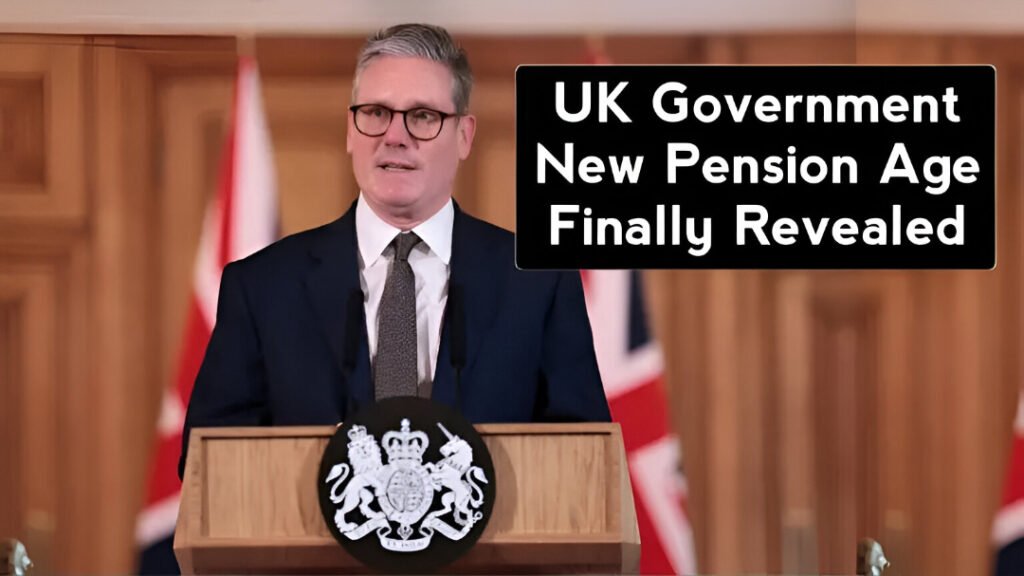
Hello Everyone, The landscape of retirement in the UK is continually shifting, and a recent government decision has solidified a crucial change for millions of citizens. The much-discussed State Pension Age (SPA) is set to climb again, signalling a definitive “goodbye” to receiving the state benefit at the age of 67 for those currently in their working years. This move is part of a longer-term strategy aimed at ensuring the financial sustainability of the State Pension system.
Why the Age is Rising
The primary driver behind the consistent increase in the State Pension Age is the remarkable rise in life expectancy across the UK. People are generally living longer and healthier lives, which is a positive demographic trend. However, this longevity puts significant pressure on the public purse.
A growing number of pensioners relying on the state for a longer period demands a re-evaluation of the contribution period. The government’s objective is to balance the time spent working with the time spent in retirement. This ensures the system remains solvent for future generations of workers and pensioners.
The New Timetable Details
The approved change sees the State Pension Age rising from 66 to 67, and this is scheduled to be phased in over a specific period. This change impacts a large group of individuals, making forward planning essential for retirement. It means workers must contribute to National Insurance for a longer time than previous generations.
The transition from 66 to 67 is currently set to take place between 2026 and 2028. It’s important to note that the exact date an individual reaches their State Pension Age depends on their specific date of birth. The government publishes detailed tables outlining this phased approach.
Who is Affected by the Change?
This particular increase to age 67 directly impacts individuals born on or after 6th April 1960. If you were born later than this date, you will not receive your State Pension until you reach the age of 67. The change is being implemented gradually, affecting people according to their birth month.
The legislation has been designed to provide a decade of notice for those affected by the change. However, many commentators feel that the shifting goalposts still make long-term financial planning challenging. Workers must keep a close eye on their specific retirement date.
Further Hikes to 68
The current government plan doesn’t stop at age 67. There is already legislation in place to increase the State Pension Age even further, from 67 to 68. This future increase is currently scheduled to take place between 2044 and 2046.
However, ongoing reviews mean this timetable could be accelerated. The government is committed to periodic reviews to ensure the SPA continues to reflect life expectancy and economic conditions. This constant review process adds an element of uncertainty for younger workers.
Planning Your Own Retirement
With the State Pension age continually rising, relying solely on the state benefit for retirement is becoming an increasingly risky strategy. Taking control of your personal retirement savings is more crucial now than ever before. This includes understanding your private and workplace pensions.
You should aim to get a State Pension forecast from the government website to know your official entitlement date and projected income. This will help you identify any potential savings gaps you need to fill with your private contributions. Starting to save early, even with small amounts, can make a significant difference.
- Review your workplace pension: Check the contributions being made by you and your employer, and consider if you can afford to increase your payments.
- Explore other savings options: Look into private pensions like Self-Invested Personal Pensions (SIPPs) or utilise ISA allowances for tax-efficient savings.
The Challenge of the Review Process
The system of periodic reviews, while logical in theory, presents a real challenge for individuals planning their futures. Every few years, a new government assessment can potentially bring the State Pension Age increase forward. This lack of fixed certainty makes it hard to confidently plan a definitive retirement date.
The government acknowledges the need for clarity but maintains the necessity of flexibility to manage public finances. Workers in their 30s and 40s may find themselves subject to several State Pension Age adjustments before they finally retire. This reinforces the need for robust private savings.
Addressing Health and Work
A major point of public debate is whether an increased State Pension Age aligns with the reality of working life for everyone. Not all careers allow people to continue in physically or mentally demanding roles until the age of 67 or 68. There is a clear divide in the ability to work longer.
People in physically arduous jobs, or those with underlying health conditions, face a significant challenge in bridging the gap until their State Pension starts. The focus shifts to employers and the need for greater flexibility, training, and lighter duties for older workers to sustain employment.
- Discuss flexible working: Speak to your employer about options like reduced hours or hybrid working as you approach your late 60s.
- Retraining and skill development: Look for opportunities to move into less physically demanding roles within your industry or a new one.
Understanding Your Pension Forecast
A vital step for any UK worker is to obtain a personalised State Pension forecast. This free service, available online via the government’s website, gives you an estimate of what you could receive and, crucially, when you will reach your SPA. It shows if you have any gaps in your National Insurance contribution record.
Closing any National Insurance gaps through voluntary contributions is often a worthwhile financial step, as it can boost your eventual State Pension income. Understanding this forecast is the bedrock of planning for your financial future. It removes assumptions and provides concrete figures.
The Role of National Insurance
Your eligibility for the full New State Pension relies on having a certain number of qualifying years of National Insurance (NI) contributions. Currently, you need 35 qualifying years for the full amount. Any rise in the State Pension Age means more time working and contributing NI, assuming you remain in employment.
If you have periods where you did not contribute NI, perhaps due to caring responsibilities or unemployment, these gaps can impact your final State Pension amount. The system encourages continuous contribution throughout a person’s working life, up to the new, later State Pension Age.
Final Thoughts
The UK government’s commitment to raising the State Pension Age to 67 and beyond is a reality driven by longevity and fiscal necessity. It marks a decisive shift in the expectation of when one can exit the working world and begin receiving the state safety net. For the UK audience, the message is clear: personal financial planning for retirement is no longer a luxury but a fundamental necessity. Workers must take proactive steps now to understand their individual State Pension Age, review their private savings, and plan for a financially secure, and later, retirement.